
Baby-Led Weaning vs. Traditional Weaning: Pros, Cons & How to Start

Starting solids is one of the most exciting and sometimes confusing milestones of early parenthood. With so much information available, many parents find themselves choosing between baby-led weaning (BLW) and traditional spoon-feeding. The good news? Both approaches can support healthy, confident eaters when done safely and responsively
Here’s a closer look at baby-led weaning vs. traditional weaning, including the pros, cons, and how to get started with either method
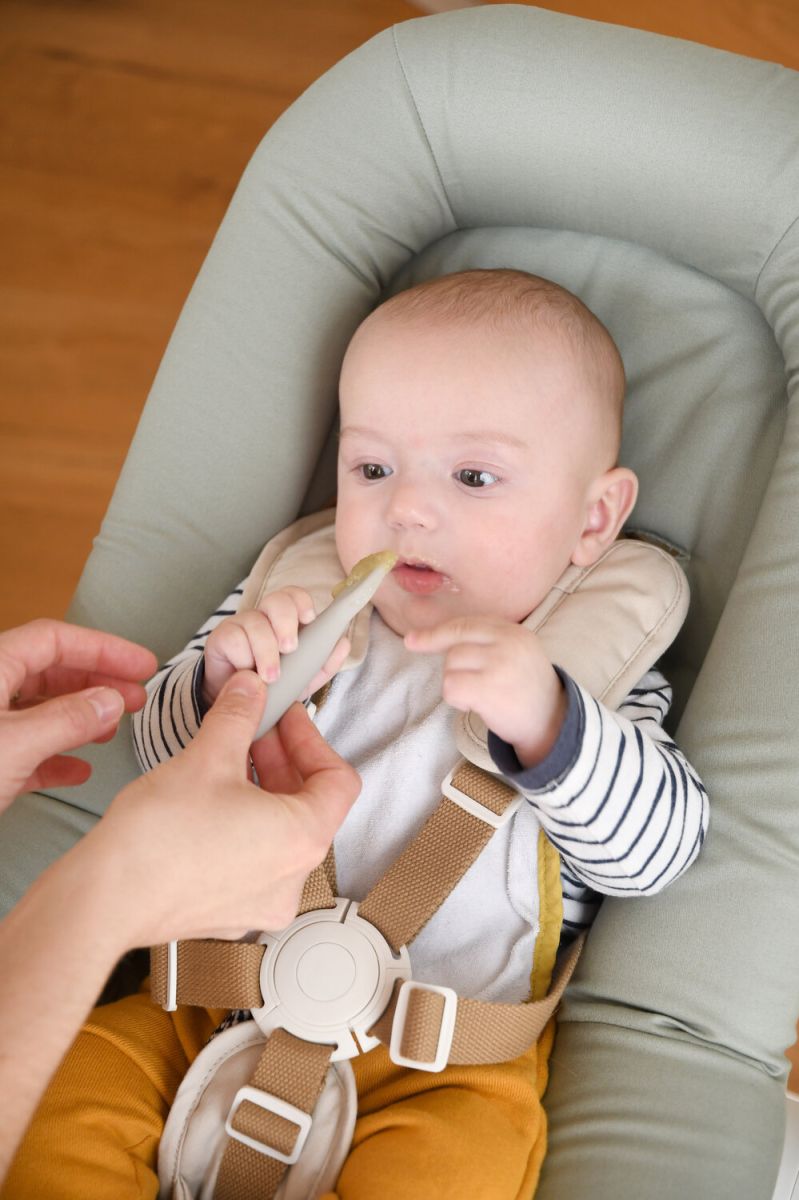
What Is Traditional Weaning?
Traditional weaning typically begins with smooth purées fed by spoon. Over time, textures gradually increase from purées to mashed foods, then soft pieces and finger foods
This approach has been used for generations and allows parents to guide both food choice and texture progression
Pros of Traditional Weaning
-
Easier to control textures and portions
-
Helpful for babies with oral-motor delays or specific feeding needs
-
Allows parents to monitor intake more closely
-
Often less messy in the early stages
Cons of Traditional Weaning
-
Babies may take longer to develop self-feeding skills
-
Texture progression needs to be intentional
-
Parents may worry about when to introduce finger foods

What Is Baby-Led Weaning (BLW)?
Baby-led weaning encourages babies to feed themselves from the start using soft, graspable foods. Instead of being spoon-fed, babies explore foods with their hands, deciding what and how much to eat
BLW typically begins around 6 months, when babies can sit upright and bring food to their mouths independently
Pros of Baby-Led Weaning
-
Encourages self-feeding and independence
-
Supports hand-eye coordination and motor development
-
Helps babies learn hunger and fullness cues
-
Introduces a variety of textures early
Cons of Baby-Led Weaning
-
Mealtimes can be messier
-
Parents may worry about gagging (which is normal but can be unsettling)
-
Requires careful food preparation for safety
-
Iron intake needs thoughtful planning
Is One Method Better Than the Other?
There is no single “right” way to introduce solids. Many families choose a combination approach, offering purées alongside soft finger foods. This flexible method allows babies to experience a variety of textures while still benefiting from spoon-feeding when appropriate
Current feeding guidance supports responsive feeding - watching your baby’s cues, offering nutritious foods, and allowing your baby to lead intake regardless of the method
How to Know If Your Baby Is Ready
Whichever approach you choose, your baby should show signs of readiness:
-
Sitting upright with minimal support
-
Good head and neck control
-
Ability to bring food to their mouth
-
Loss of the tongue-thrust reflex
-
Interest in food and mealtimes
Most babies show these signs around 6 months
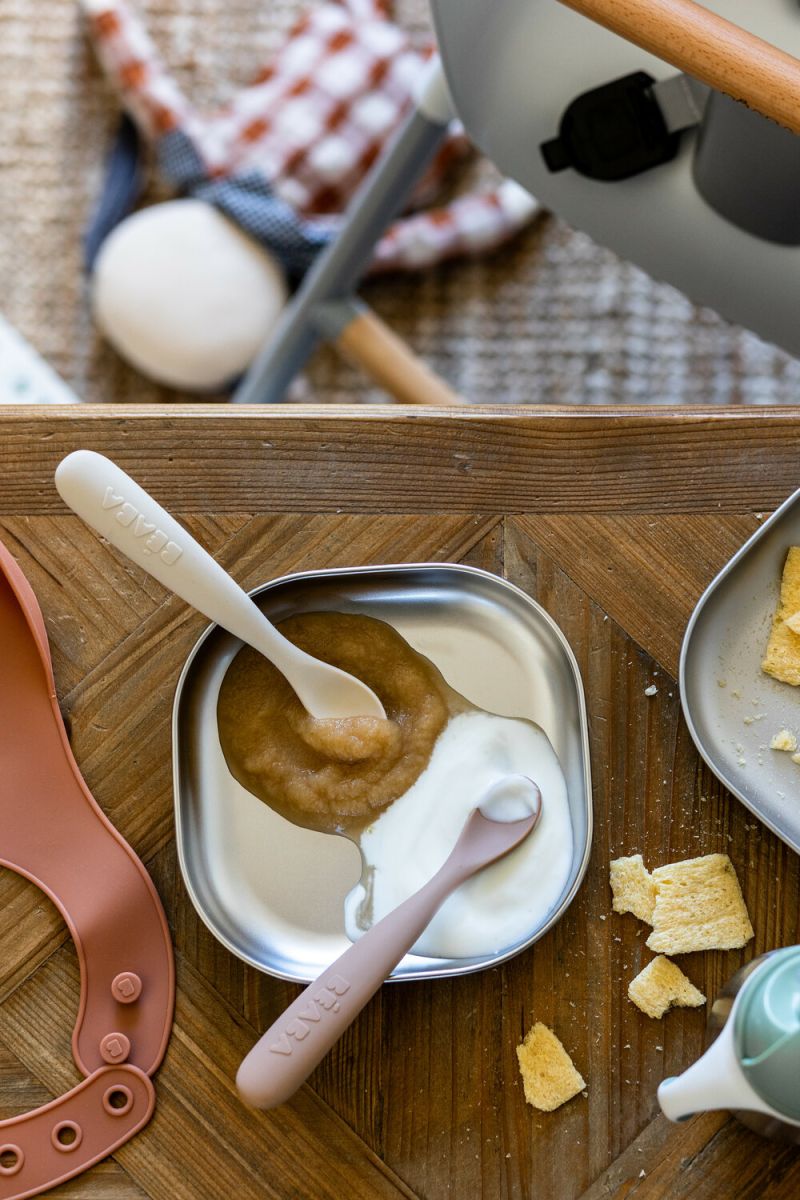
How to Start Traditional Weaning
-
Begin with smooth purées made from single ingredients
-
Offer foods by spoon, following hunger cues
-
Gradually thicken textures and introduce lumps
-
Add soft finger foods as chewing skills develop
Tools like steam-and-blend appliances, ergonomic spoons, and non-slip bowls can help make early feeding smoother and more enjoyable
How to Start Baby-Led Weaning
-
Offer soft, stick-shaped foods your baby can grasp
-
Ensure foods are cooked until easily squishable
-
Sit with your baby and eat together
-
Avoid hard, round, or sticky foods
-
Let your baby explore at their own pace
Always supervise meals and ensure your baby is seated upright
Safety Tips for Both Approaches
-
Gagging is normal; choking is not
-
Always supervise meals
-
Offer age-appropriate food sizes and textures
-
Avoid added salt, sugar, and honey
-
Make iron-rich foods a priority
Supporting Your Feeding Journey
Whether you choose baby-led weaning, traditional spoon-feeding, or a combination of both, the most important factors are safety, patience, and responsiveness
Beaba design feeding tools that support every style of weaning - helping families feel confident as babies grow into capable, curious eaters


