
Attachment Parenting in 2026: What’s Changed & What Still Matters

Attachment Parenting has never been a trend - it’s a relationship-based approach that continues to evolve alongside families, research and modern life. In 2026, Attachment Parenting looks more flexible, inclusive and sustainable than ever, while still holding firmly to its original purpose: building secure, trusting relationships between children and their caregivers
So what has changed, and what still matters just as much today?
What Is Attachment Parenting?
Attachment Parenting (AP) is a caregiving philosophy focused on emotional connection, responsiveness and secure attachment. Rather than strict rules or parenting techniques, it centres on understanding children’s needs and responding with empathy, consistency, and respect
In 2026, Attachment Parenting is widely recognised as a long-term relational approach, not something limited to infancy
What’s Changed in Attachment Parenting in 2026
Parental Wellbeing Is Central, Not Optional
One of the most important shifts in Attachment Parenting is the recognition that caregivers’ wellbeing directly impacts attachment
Modern Attachment Parenting now openly includes:
-
Mental health support for parents
-
Burnout prevention
-
Shared caregiving and community support
In 2026, responsive parenting includes responding to yourself, not sacrificing your health in the name of attachment
Greater Inclusion of Diverse Families
Attachment Parenting has moved beyond narrow family models.
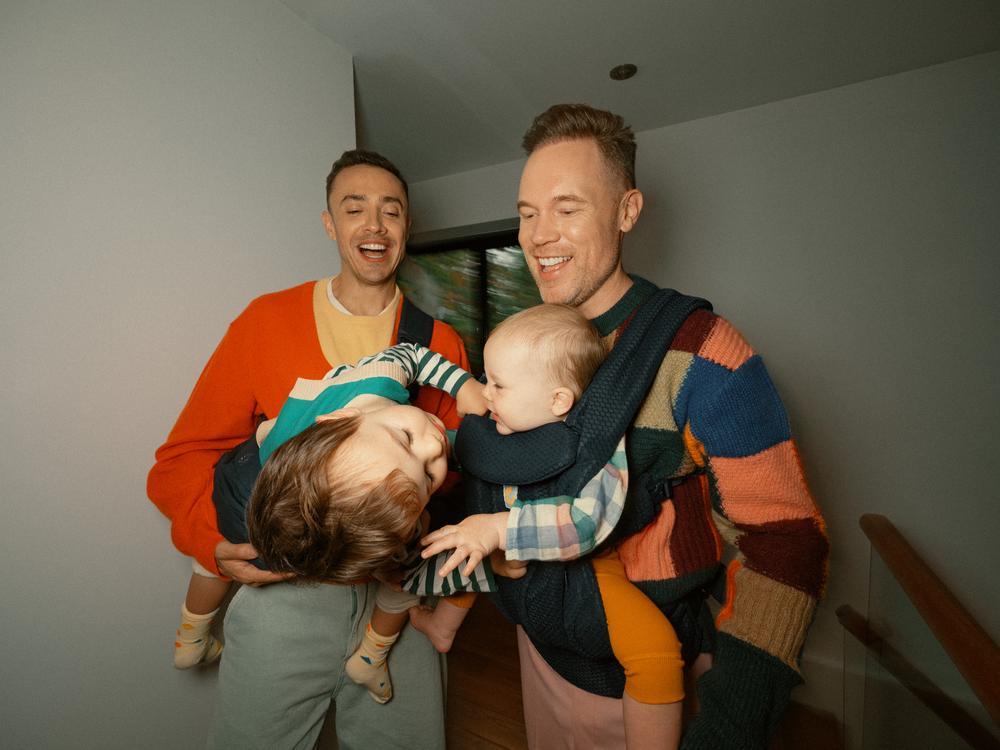
Today’s AP communities actively support:
-
Fathers and non-gestational parents
-
Adoptive and foster families
-
LGBTQIA+ parents
-
Multi-generational households
Secure attachment is understood as something built through relationships, not biology alone
Flexibility Over Parenting Dogma
Earlier conversations around Attachment Parenting were often misinterpreted as rigid or all-or-nothing
In 2026, the focus is on:
-
Responsiveness rather than specific practices
-
What works for this child and this family
-
Adapting as children grow
Practices like breastfeeding, co-sleeping, or babywearing are viewed as tools - not requirements

Stronger Alignment With Developmental Science
Modern neuroscience and child development research have strengthened Attachment Parenting’s foundation
Today, AP discussions commonly include:
-
Co-regulation and emotional development
-
Age-appropriate boundaries
-
Long-term attachment across childhood and adolescence
Attachment Parenting is now clearly framed as a relationship that evolves, not a checklist for babies
Intentional Parenting in a Digital World
Technology is a reality of parenting in 2026
Rather than promoting guilt or screen fear, Attachment Parenting now emphasises:
-
Presence over perfection
-
Repair after distraction
-
Modelling healthy digital boundaries
Attachment isn’t damaged by occasional distraction - it’s strengthened by consistent reconnection
What Still Matters in Attachment Parenting
Despite modern shifts, the foundations of Attachment Parenting remain unchanged
Responsiveness Still Builds Secure Attachment
Children still need caregivers who:
-
Notice emotional cues
-
Respond with care
-
Offer comfort during distress
Secure attachment is still built through consistent, sensitive responses
Emotional Safety Comes Before Behaviour Management
Attachment Parenting continues to prioritise:
-
Understanding feelings before correcting behaviour
-
Viewing behaviour as communication
-
Teaching regulation through connection
This remains especially relevant in a world where children face increasing stress and pressure
Repair Matters More Than Perfection
No parent responds perfectly all the time.
Attachment Parenting has always focused on:
-
Repairing ruptures
-
Apologising when needed
-
Rebuilding trust
In 2026, repair is recognised as a powerful attachment-building tool
Attachment Parenting Is a Long-Term Approach
Attachment Parenting doesn’t end with infancy
Many families now apply AP principles to:
-
School-aged children
-
Teenagers
-
Adult parent–child relationships
At every stage, the core remains empathy, respect, and emotional availability
Attachment Parenting in 2026: A Sustainable Way Forward
If Attachment Parenting in 2026 can be summed up in one word, it’s sustainable
Sustainable for:
-
Parents’ mental health
-
Diverse family structures
-
Long-term relationships
The heart of Attachment Parenting hasn’t changed - but it has expanded, softened, and adapted to modern family life
That evolution is exactly what keeps Attachment Parenting relevant today


