
How to Organise Baby Toys: Minimalist Approaches for 2026

In 2026, minimalism isn’t about having less for the sake of it - it’s about making room for what truly matters. For parents, that often means creating calm, functional spaces that support play without overwhelming your home (or your child)
Baby toys multiply quickly. With a thoughtful, minimalist approach to toy organisation, you can encourage independent play, reduce clutter, and make daily life feel more manageable. Here’s how to organise baby toys the minimalist way—without sacrificing fun
Why Minimalist Toy Organisation Works
A streamlined play space helps:
-
Reduce visual overstimulation
-
Encourage deeper, more focused play
-
Make cleanup faster and easier
-
Support early independence
Research continues to show that fewer, well-chosen toys often lead to longer and more creative play sessions - a win for both babies and parents
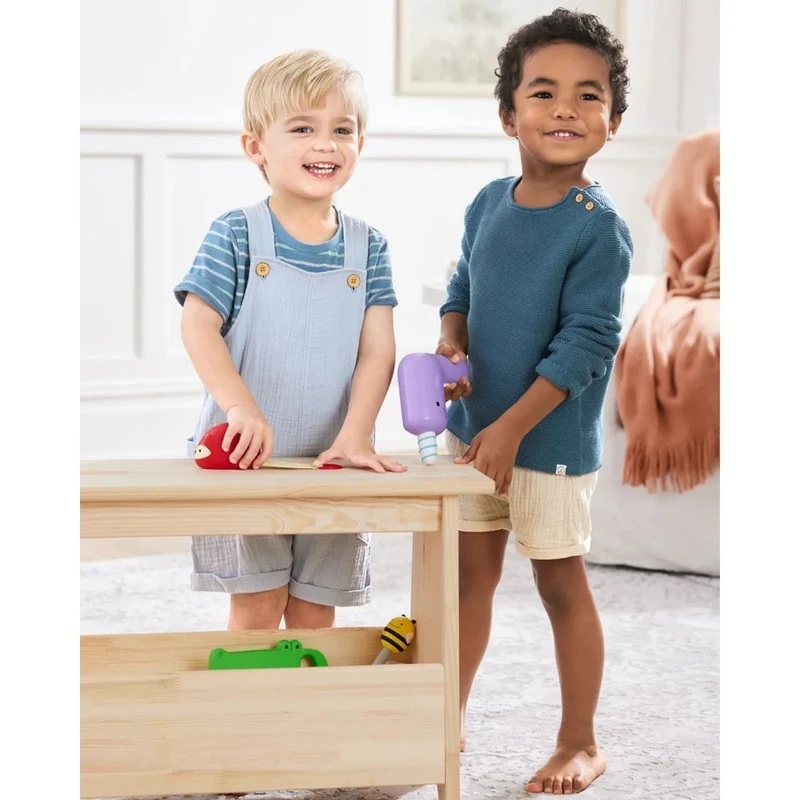
Curate, Don’t Accumulate
Minimalism starts with intention. Instead of displaying every toy at once, choose a small selection that supports different types of development:
-
One or two sensory toys
-
One fine-motor toy
-
One comfort or soft toy
Store the rest out of sight and rotate weekly. This keeps toys feeling fresh without adding more
Use Open, Low Storage
Babies and toddlers are more likely to engage with toys they can see and reach. Open storage encourages independence and makes tidying up less stressful.
Low shelves, soft bins, and easy-access baskets allow little ones to:
-
Choose toys independently
-
Practice putting toys away
-
Build early organization skills
Neutral-toned storage helps maintain a calm, cohesive space.
.jpg)
Think in Categories, Not Quantity
Group toys by purpose rather than size:
Limiting each category to a small container helps naturally control clutter—and makes it easier to notice when toys are no longer developmentally relevant.
Choose Toys That Store Smartly
In 2026, smart design matters more than ever. Look for toys that:
-
Fold flat or nest together
-
Serve multiple developmental stages
-
Double as décor-friendly pieces
Multi-use toys reduce clutter while still offering plenty of play value
Create “Yes” Play Zones
Instead of organizing toys room by room, create safe, baby-approved play zones where everything within reach is fair game.
A well-designed play area:
-
Limits the need for constant supervision
-
Encourages confident exploration
-
Keeps toys contained to one space
Soft mats, lightweight toys, and stable storage help define the area without crowding it.
Edit Regularly as Your Baby Grows
Minimalism is ongoing, not one-and-done. As your baby develops:
-
Remove toys that no longer interest them
-
Donate or store outgrown items
-
Introduce developmentally appropriate toys slowly
Regular editing keeps your space aligned with your child’s current needs
Make Cleanup Part of Play
Minimalist organisation works best when cleanup is simple. Choose lightweight bins and open containers that make tidying up feel achievable even for toddlers.
When everything has a clear place, cleanup becomes a habit rather than a battle
A Calmer Space for Growing Minds
Organising baby toys with a minimalist mindset isn’t about perfection - it’s about creating a space that supports play, creativity, and calm. With intentional choices and smart storage, your home can grow alongside your baby without feeling overwhelmed


