
Nutrition tips for babies starting solids in summer

Starting solids is an exciting milestone and doing it during summer brings both opportunities and challenges. Warmer weather often means lighter meals, fresh produce and more time out of the house, but it also requires extra attention to hydration, food safety and heat
If your baby is beginning solids during the warmer months, these summer-specific nutrition tips will help you support healthy eating habits while keeping your baby safe and comfortable
When Can Babies Start Solids?
Most babies are ready to start solids at around 6 months of age, though some may show readiness slightly earlier. Signs of readiness include:
-
Sitting with minimal support
-
Good head and neck control
-
Showing interest in food
-
Losing the tongue-thrust reflex
Breastmilk or formula should remain your baby’s main source of nutrition throughout the first year
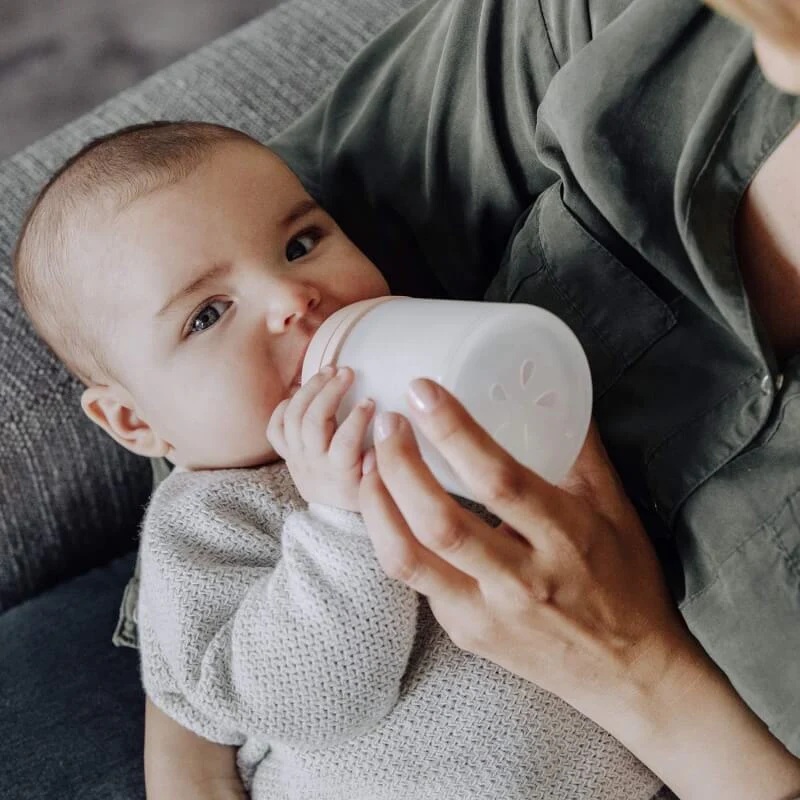
Focus on Hydration in Warm Weather
In summer, babies can become dehydrated more easily.
-
Continue offering breastmilk or formula on demand
-
Once solids are introduced, you can offer small sips of water with meals (from around 6 months)
-
Watch for signs of dehydration such as fewer wet nappies or dark urine
Avoid fruit juice — water and milk feeds are all your baby needs
Choose Light, Cooling First Foods
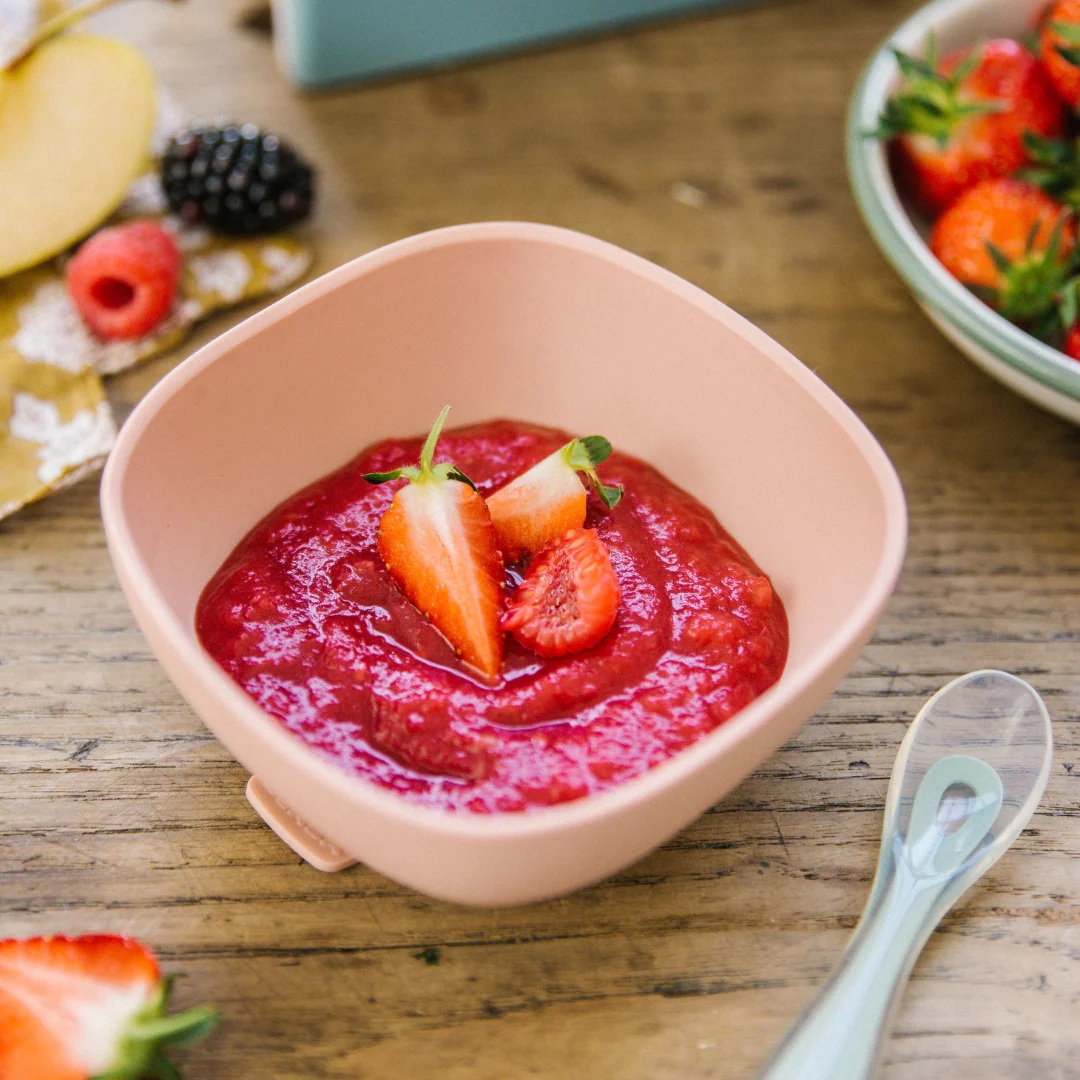
Summer is a great time to introduce fresh, nutrient-rich foods with a high water content
Good first foods for summer include:
-
Steamed and puréed zucchini
-
Mashed avocado
-
Soft pear or peach (cooked if needed)
-
Puréed cucumber (seeds removed)
-
Yoghurt (full-fat, plain, from around 6 months)
Serve foods slightly cool or at room temperature — never cold straight from the fridge
Prioritise Iron-Rich Foods
Iron is essential for your baby’s growth and brain development, especially from around 6 months.
Include iron-rich foods such as:
-
Soft shredded or puréed meat
-
Lentils and legumes
-
Iron-fortified cereals
-
Mashed tofu or egg (well-cooked)
Pairing iron-rich foods with fruits or vegetables high in vitamin C can help improve absorption
Be Extra Careful With Food Safety
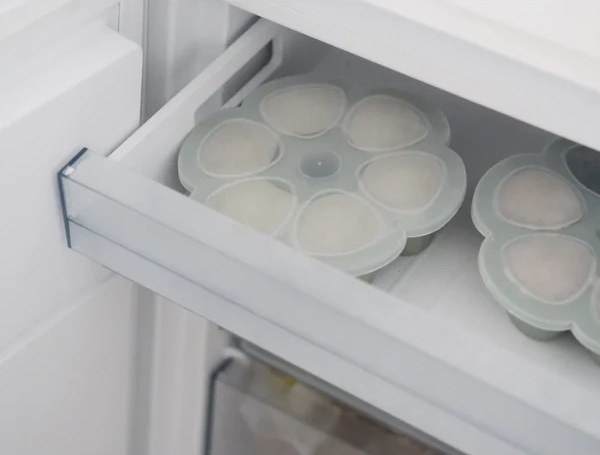
Warm weather increases the risk of food spoilage, so food safety is especially important in summer.
Tips for safe feeding:
-
Wash hands, utensils, and surfaces thoroughly
-
Store prepared foods in the fridge promptly
-
Avoid leaving food out in the heat
-
Use insulated containers when feeding on the go
-
Discard leftovers that have been sitting out
Keeping feeding equipment clean and hygienic helps protect your baby’s developing immune system
Offer Small, Frequent Meals
Babies may eat less in hot weather, which is completely normal
Instead of worrying about quantity:
-
Offer small portions
-
Follow your baby’s hunger and fullness cues
-
Focus on exposure and experience, not volume
Some days your baby may eat very little — learning to eat is a gradual process
Encourage Self-Feeding (When Ready)
Summer can be a great time to introduce finger foods if your baby is developmentally ready.
Safe summer finger foods include:
-
Soft fruit slices (ripe mango, banana, peach)
-
Steamed vegetable sticks (carrot, pumpkin, sweet potato)
-
Soft strips of omelette or tofu
Always supervise meals and ensure foods are soft enough to mash between fingers
Maintain a Relaxed Mealtime Environment
Heat and overstimulation can affect appetite and mood
Try to:
-
Feed in a cool, calm space
-
Keep mealtimes short and positive
-
Avoid pressure or distractions
-
Let your baby explore food at their own pace
A relaxed approach supports healthy eating habits long-term
Common Summer Feeding Concerns
Is it normal if my baby eats less in summer?
Yes. Appetite can decrease in warm weather. Focus on hydration and responsive feeding
Can babies have cold foods?
Foods should be cool or room temperature, but not icy cold
Do babies need extra water in summer?
Breastmilk or formula provides most hydration. Small sips of water can be offered with meals from around 6 months
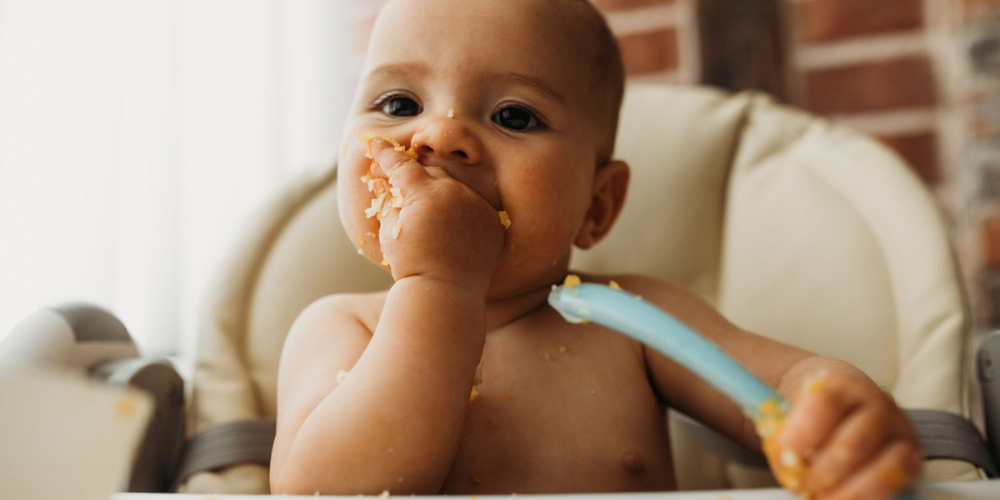
Starting solids is about learning, exploration, and enjoyment, not perfection. Summer provides wonderful opportunities to introduce fresh foods and relaxed routines — just remember to prioritise hydration, safety, and your baby’s cues.
At Baby Central Australia, we’re here to support every step of your baby’s feeding journey — from first tastes to confident eating


